
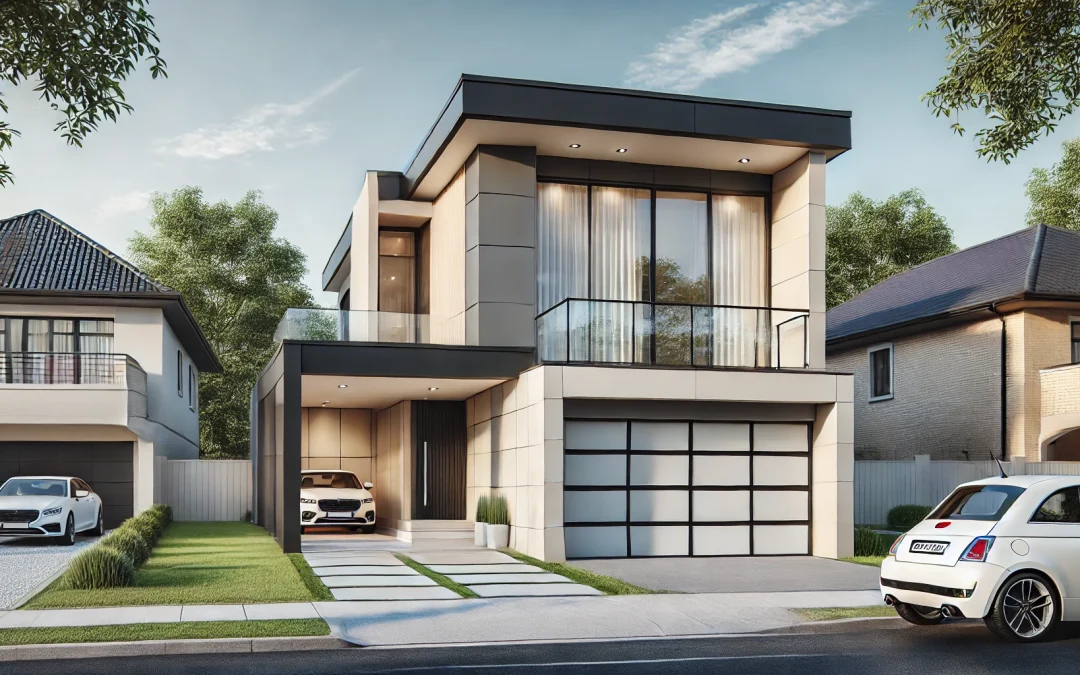
Garage Addition Ottawa: Attached, Detached & Conversion Cost Guide
🔑 Quick Answer
A garage addition in Ottawa costs between $60,000 and $200,000+ in 2026, depending on whether it is attached or detached, its size, finishes, and site conditions. A basic single-car detached garage starts around $60,000–$80,000, while a finished two-car attached garage with insulation and electrical runs $120,000–$200,000+. Per-square-foot costs range from $100 to $175+. A building permit is required for all garage construction.
Need garage drawings and permits? Architect Ottawa handles design through approval.
A garage addition in Ottawa is one of the highest-ROI improvements you can make to your property. With Ottawa’s harsh winters — months of snow, freezing rain, and sub-zero temperatures — protecting your vehicles, gaining storage space, and adding workshop or hobby room functionality makes a garage more than a convenience. It is a practical necessity that buyers actively seek when purchasing homes.
But garage construction in Ottawa is not as straightforward as pouring a slab and framing walls. Zoning setback requirements, lot coverage limits, the new 2026 zoning bylaw, fire separation requirements for attached garages, foundation frost depth, and building permit submissions all add complexity. Whether you are building a detached single-car garage, an attached two-car addition, or converting an existing garage into living space, professional design and proper permitting are essential.
This guide covers everything Ottawa homeowners need to know about planning, designing, costing, and permitting a garage project. At Architect Ottawa, we design garages alongside home additions, custom homes, and renovation projects throughout the Ottawa region.
Attached vs. Detached Garage: Which Is Right for Your Property?
The first decision in any garage addition Ottawa project is whether to build attached or detached. Each has distinct advantages, costs, and regulatory requirements.
Option A
Attached Garage
Shares a wall with your home, providing direct interior access. The most convenient option — walk from your car into your mudroom without stepping outside in January.
Cost range: $100,000–$200,000+ (two-car, finished)
Best for: Primary vehicle storage, daily convenience, resale value
Advantage: Highest ROI, most convenient, shared utilities
Complexity: Fire separation required (OBC), structural tie-in to existing home, roofline integration
Option B
Detached Garage
A standalone structure separate from your home. Offers maximum flexibility for placement, size, and use — including workshops, studios, or future suite potential above.
Cost range: $60,000–$150,000+ (two-car, standard finish)
Best for: Large lots, workshops, rental suite above, hobby space
Advantage: No fire separation needed, flexible placement, no structural tie-in
Complexity: Separate foundation, independent electrical service, driveway/pathway access
For most urban Ottawa lots (Westboro, Glebe, Alta Vista, Manor Park), an attached garage makes the most sense — it maximizes a tight footprint and adds the highest resale value. For larger suburban or rural properties (Manotick, Stittsville, Richmond, Carp), a detached garage provides the flexibility for larger builds, workshops, and potential in-law suite space above. Your architect will assess your lot, zoning, and goals to recommend the best approach. See our existing detached garage projects for examples.
How Much Does a Garage Addition Cost in Ottawa?
The cost of a garage addition in Ottawa varies significantly based on size, type, finishes, and site conditions. Here are 2026 Ottawa pricing ranges based on current market data:
All prices include materials, labour, and standard finishes. Excludes permits, design fees, HST, and contingency. For general addition pricing, see our Room Addition Cost Per Square Foot and Home Addition Cost Ottawa guides.
💰 What Drives Garage Costs Up
The biggest cost variables include foundation complexity (Ottawa’s 1.5-metre frost depth requires deep footings), site access for excavation equipment, roofline integration for attached garages (matching existing pitch, materials, and trim), insulated and heated spaces (radiant floor heat adds $15,000–$30,000), living space above (requires full building code compliance for habitable space), and premium finishes like epoxy floors, built-in storage, and EV charging infrastructure.
Ottawa Zoning Rules for Garage Additions
Ottawa’s zoning bylaw 2026-50 governs where and how large a garage can be on your property. The rules differ for attached and detached garages, and violations require a costly minor variance application. Here are the key regulations for residential zones:
Lot Coverage
Your garage plus your home cannot exceed the maximum lot coverage for your zone (typically 35–45% in residential areas). A large detached garage on a small lot may push you over the limit.
Setbacks
Detached garages typically require a 0.6 m side yard setback and 0.6 m rear yard setback (accessory building rules). Attached garages follow the main building setbacks — typically 1.2 m interior side yard, 7.5 m rear yard.
Height Limits
Detached accessory buildings are generally limited to 4.5 metres in height. If you plan to add living space above, the structure may need to meet full principal building height and zoning requirements.
Floor Area
Detached accessory buildings are often limited in total floor area relative to lot size. On a typical urban lot, this cap can limit a detached garage to a single or modest double configuration.
Under the new bylaw, Ottawa now permits up to four dwelling units per lot in residential zones. This opens new possibilities for a detached garage with a rental suite above — but the structure must comply with all residential construction requirements including fire exits, plumbing, insulation, and separate electrical service. Your architect should verify all zoning requirements before design begins.
Building Permit Requirements for Ottawa Garages
Under the Ontario Building Code Act, a building permit is required for any new garage construction — attached or detached — and for any garage exceeding 10 m² (108 sq ft). Since virtually all functional garages exceed this threshold, you will need a permit. The City of Ottawa’s building permit page confirms that a permit is required for construction of any new building or addition.
What your garage permit application requires:
Application form submitted via My ServiceOttawa online portal
Site plan showing garage location, setback distances, property lines, and lot coverage calculations
Floor plan with dimensions, door and window locations, and interior layout
Elevation drawings showing all four sides with materials, heights, and roof pitch
Cross-section showing foundation depth (below 1.5 m frost line), framing, insulation, and roof assembly
Structural details — especially for attached garages requiring headers, beams, and fire-separation assemblies
Designer declaration, permit fee payment ($117+ minimum), and a grading and drainage plan for detached structures
Permit review typically takes 10–20 business days for a straightforward garage. Complex projects with living space above or attached garages requiring fire-separation review may take longer. Your project will also require building inspections at footing, framing, insulation, and final stages.
Garage Design + Permits, Handled
Architect Ottawa designs garages that match your home, meet zoning and code requirements, and get approved. Complete construction drawings, City submission, and inspection coordination — all included.
Fire Separation: The Critical Code Requirement for Attached Garages
The Ontario Building Code requires a fire separation between an attached garage and the living space of your home. This is the single most important code element in attached garage design and the most common reason garage permits get rejected or delayed.
The key OBC requirements for attached garages include:
Fire-rated wall: The common wall between the garage and the house must be a minimum 45-minute fire-rated assembly — typically 5/8” Type X drywall on the garage side, with all joints taped and mudded. No penetrations (pipes, ducts, wires) may breach this assembly without fire-rated treatment.
Fire-rated ceiling: If there is living space above the garage (a bedroom over a garage is common in two-storey homes), the ceiling must also be a 45-minute fire-rated assembly.
Fire-rated door: The door between the garage and the house must be a self-closing, solid-core or metal-clad fire-rated door with a tight-fitting seal. This prevents carbon monoxide and fire from entering the home.
Air sealing: The fire separation must also function as an air barrier to prevent exhaust fumes (carbon monoxide) from entering the living space. This includes sealing all gaps around the door frame, any shared wall penetrations, and the ceiling assembly.
Detached garages do not require fire separation from the home but must still meet minimum distance requirements from property lines and other structures. Your structural engineer and architect will detail all fire-separation assemblies in the structural drawings.
Garage Conversion: Turning Your Garage Into Living Space
Converting an existing garage into a bedroom, home office, family room, or rental unit is increasingly popular — especially under Ottawa’s new zoning rules that allow additional dwelling units. A garage conversion costs significantly less than a new addition because the shell (foundation, walls, roof) already exists.
However, converting a garage to habitable space requires substantial upgrades to meet the Ontario Building Code:
🏗 Foundation
Garage slabs are thinner and often slope toward the door. Conversion may require levelling, insulating below-slab, or underpinning.
🔥 Insulation
Garage walls and ceilings are typically uninsulated. Full insulation to OBC SB-12 standards is required for habitable space.
💧 Plumbing
If the conversion includes a bathroom or kitchen, plumbing must be roughed in — often requiring slab-cutting to access drain lines.
🟧 Egress
Bedrooms require egress windows. The garage door opening is typically replaced with a framed wall containing windows and an entry door.
🌀 HVAC
The converted space needs heating and ventilation tied into the home’s existing system or a dedicated HVAC solution.
⚡ Electrical
Garages have minimal circuits. Living space requires proper lighting, outlets per OBC spacing, smoke and CO alarms, and often a panel upgrade.
Before planning a conversion, consider the trade-off: converting your garage means losing covered parking and storage. In Ottawa’s climate, this is a significant sacrifice that can affect resale value. For many homeowners, building a new addition or bump-out while keeping the garage is a better long-term investment. Discuss both options with your architect during space planning.
Garage Addition ROI: Is It Worth the Investment?
A garage addition in Ottawa typically delivers a 75–85% return on investment at resale — one of the highest ROIs among home improvement projects. In Ottawa’s real estate market, a home with a two-car garage commands a significant premium over one without, particularly in neighbourhoods where street parking is difficult and winter conditions make outdoor parking undesirable.
Beyond resale value, a garage provides practical daily benefits that are hard to quantify: no scraping ice in January, secure storage for tools and seasonal items, a workshop space for hobbies, and protection for vehicles that extends their lifespan. If you add a rental suite above, the monthly income can offset a significant portion of the construction cost within a few years.
Design matters for ROI. A garage that looks like an afterthought — mismatched siding, different roof pitch, awkward placement — can actually reduce curb appeal. Working with an architect ensures the garage integrates seamlessly with your home’s existing architectural style, materials, and proportions. See our 3D rendering process that lets you visualize the addition before construction begins.
How We Design and Permit Garages at Architect Ottawa
Every garage addition Ottawa project follows a structured process to ensure compliance, cost control, and a result that enhances your property:
Site assessment and zoning review — We visit your property, measure setbacks, verify lot coverage limits, and confirm what the zoning bylaw allows. This prevents costly surprises later.
Concept design — We develop options for attached vs. detached, size, placement, and features. 3D renderings show how the garage integrates with your home before you commit.
Construction drawings — Complete site plans, floor plans, elevations, cross-sections, structural details, and framing plans prepared to City of Ottawa submission standards.
Permit submission and review — We submit the application, respond to examiner comments, and coordinate any required revisions. For projects requiring a minor variance, we prepare the Committee of Adjustment application.
Construction administration — During construction, we review contractor work against the approved drawings, coordinate inspections, and resolve any on-site issues. See our full working with an architect guide for the complete process.
Frequently Asked Questions About Garage Additions in Ottawa
How much does a garage addition cost in Ottawa?
A garage addition in Ottawa costs $60,000 to $200,000+ in 2026. A basic detached single-car garage starts at $60,000–$80,000, while a finished attached two-car garage runs $120,000–$200,000+. Per-square-foot costs range from $100 to $175+ depending on type, finishes, and site conditions. Adding a suite above a detached garage can push total costs to $200,000–$350,000+.
Do I need a building permit for a garage in Ottawa?
Yes. A building permit is required for all new garage construction — attached or detached — and for any accessory building exceeding 10 m² (108 sq ft). The permit ensures compliance with the Ontario Building Code for structural safety, fire separation (attached garages), and energy efficiency. Garage conversions to living space also require a permit.
Is an attached or detached garage cheaper to build?
Detached garages are typically less expensive because they avoid the fire-separation requirements and structural tie-in complexity of attached garages. However, attached garages share one wall with the home (reducing material costs) and use existing utility connections. The total cost difference depends on your specific project — a detached garage requiring extensive site work and separate electrical service may cost as much as an attached build.
How close to the property line can I build a garage in Ottawa?
Detached accessory buildings (garages) typically require a 0.6 m setback from side and rear property lines under Ottawa’s zoning bylaw. Attached garages follow the main building setback requirements, which are typically 1.2 m for interior side yards. If your proposed garage violates setback requirements, you will need a minor variance from the Committee of Adjustment, which adds cost and 2–4 months to your timeline.
Can I build a rental suite above my garage in Ottawa?
Under Ottawa’s 2026 zoning bylaw, up to four dwelling units are permitted per residential lot. A suite above a detached garage counts as one of those units. However, the suite must comply with full OBC requirements for habitable space, including fire separation, egress, insulation, heating, plumbing, and electrical. The structure will also need to meet height and setback requirements, which may differ from standard accessory building rules.
How long does it take to build a garage in Ottawa?
A typical garage addition takes 6–12 weeks for construction, plus 4–8 weeks for design and permitting before construction begins. Simple detached garages are on the shorter end, while attached garages with living space above can take 12–16+ weeks of construction. Spring and summer are the optimal construction seasons in Ottawa due to foundation work requirements.
What is the fire separation requirement for an attached garage?
The Ontario Building Code requires a 45-minute fire-rated assembly on all walls and ceilings between an attached garage and the living space. This typically means 5/8” Type X drywall on the garage side, a fire-rated self-closing door, and complete air sealing to prevent carbon monoxide from entering the home. All penetrations must be fire-stopped.
How much does it cost to convert a garage into living space?
A garage conversion in Ottawa costs $40,000 to $100,000+ depending on the scope. The primary costs include insulation, electrical upgrades, HVAC, replacing the garage door with a framed wall and windows, and interior finishing. If the conversion includes plumbing for a bathroom or kitchen, costs increase significantly due to slab-cutting and drain line work.
Does a garage addition add value to my Ottawa home?
A well-designed garage addition typically returns 75–85% of its cost at resale. In Ottawa’s market, homes with garages sell faster and at a premium compared to those without, particularly in winter-heavy climates where covered parking is highly desirable. The ROI is highest when the garage matches the home’s architectural style and does not appear as an afterthought.
Do I need an architect for a garage addition?
While Ontario allows homeowners to take design responsibility for their own residential structures, an architect ensures the garage integrates with your home’s design, meets all zoning and code requirements, and maximizes your investment. The Ontario Association of Architects (OAA) regulates architectural practice in the province. For attached garages with fire-separation complexity, projects requiring minor variances, or garages with living space above, professional design is strongly recommended. Learn more about architect vs. designer for your project.
Ready to Add a Garage?
Architect Ottawa designs garages that match your home, meet Ottawa’s zoning and building code, and get approved efficiently. From initial consultation through final inspection — we handle it all.