
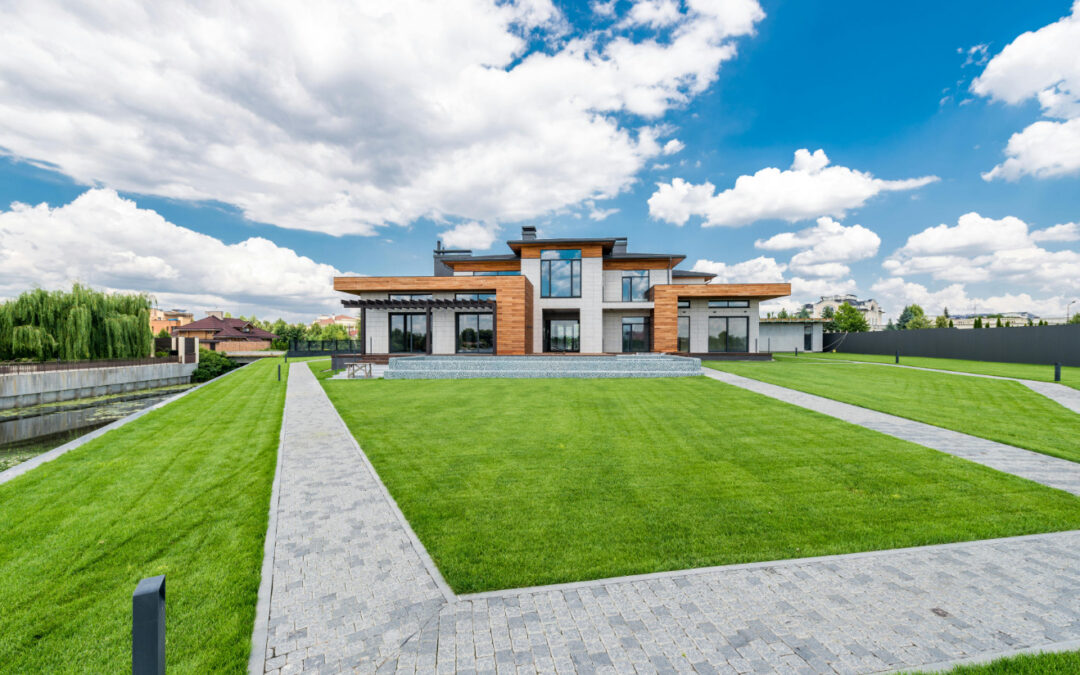
Design and Build Your Dream Home in Ottawa: Complete Guide
Building a custom home is the largest and most personal investment most people will ever make. Unlike buying an existing house and adapting to someone else’s vision, custom home design means every room, every material, and every detail reflects how you actually live.
It is also the most complex project most people will ever manage. Zoning bylaws. Soil conditions. Foundation engineering. Energy code compliance. Mechanical systems. And hundreds of finish decisions — all of which need to be coordinated before a single shovel hits the ground.
This guide walks you through every phase of designing and building a custom home in Ottawa — from buying land and assembling your team to design, permits, construction, and move-in. Whether you are starting with a vacant lot or planning to demolish and rebuild, this is the process that gets you from dream to front door.
Design-Build vs Design-Bid-Build: Two Paths to Your Home
Before you start designing, understand how the construction will be delivered. There are two primary approaches, and your choice affects everything from cost control to design freedom:
Design-Bid-Build
Your architect designs the home independently, then the completed drawings are sent to multiple builders for competitive bids. You choose the builder based on price, schedule, and track record.
✅ Maximum design freedom
✅ Competitive pricing through bidding
✅ Independent architect oversight during construction
⚠️ Longer timeline (design completes before construction starts)
One team handles both design and construction. The architect and builder collaborate from day one, with the builder providing real-time cost input during design. This can be architect-led (architect is the prime contract) or builder-led (builder subcontracts the design).
✅ Faster — design and construction overlap
✅ Continuous cost feedback during design
✅ Single point of responsibility
⚠️ Less price competition (no multi-builder bidding)
Our recommendation: For most custom homes, we recommend design-bid-build because it preserves your design freedom and generates competitive pricing. For fast-track projects or when budget certainty is the top priority, design-build can be the better path. For more detail on project delivery, see our design-build guide.
The Custom Home Design Process: Step by Step
Building a custom home is a marathon, not a sprint. Here is every phase, with realistic Ottawa timelines:
Land & Site Assessment — Before design begins
If you have not yet purchased land, your architect can evaluate prospective lots for buildability — zoning compliance, setback requirements, servicing availability, soil conditions, grading, and sun orientation. This assessment prevents you from buying a lot that cannot accommodate your vision.
Programming & Schematic Design — 4–8 weeks
Your architect documents every requirement — room sizes, relationships between spaces, lifestyle needs, accessibility, and budget priorities. This produces the “program,” which is then translated into initial floor plans and massing studies. You will typically review 2–3 floor plan options before selecting a direction.
Design Development — 4–8 weeks
The approved concept is developed in detail — exterior materials, window sizes and locations, interior finishes, kitchen and bathroom layouts, lighting plan, and interior design direction. 3D renderings are produced so you can see the home before it is built.
Construction Documents — 6–12 weeks
Full construction drawings are produced — architectural, structural, mechanical, electrical, and plumbing. These documents tell the builder exactly what to build, how to build it, and what materials to use. They are submitted for building permits and used for contractor pricing.
Permits & Builder Selection — 4–8 weeks
Permit submission to the City of Ottawa and competitive tendering to builders happen in parallel. Your architect reviews bids, compares scope, and recommends a contractor. The City’s residential permit review currently takes 10–20 business days for straightforward applications. See our permit fee breakdown.
Construction & Construction Administration — 8–16 months
Your builder constructs the home while your architect provides oversight — reviewing submittals, visiting the site at key milestones, managing change requests, and verifying the build matches the design intent. In Ottawa, spring-to-fall is the primary building season; winter construction is possible but adds cost for temporary heating and weather protection.
What It Costs to Build a Custom Home in Ottawa
Custom home costs depend on size, complexity, site conditions, and finish level. Here is a realistic framework for Ottawa in 2026:
Example: A 2,500 sf standard-quality custom home in Ottawa — $300/sf construction = $750,000. Add 12% design ($90,000), site development ($50,000), permits ($25,000), landscaping ($40,000), and 10% contingency ($95,500) = approximately $1,050,000 total project cost, plus land.
These numbers exclude land purchase. Serviced residential lots in Ottawa currently range from $200,000 in suburban areas (Stittsville, Barrhaven, Orléans) to $500,000+ for established urban neighbourhoods (Westboro, Alta Vista, Glebe). Rural lots on private servicing can be less, but septic and well costs add $30,000–$60,000.
Ottawa Land, Zoning, and Site Considerations
Zoning dictates what you can build. Ottawa operates under dual bylaws (2008 and new Comprehensive Zoning Bylaw) that control lot coverage, building height, setbacks, and permitted uses. Your architect verifies zoning compliance before design begins — discovering a setback violation after drawings are complete wastes months and thousands of dollars. See our zoning bylaw guide.
Soil conditions matter. Ottawa’s geology includes sensitive Leda clay in many areas — particularly in older neighbourhoods near the Ottawa River and Rideau River. Leda clay requires specific foundation design and may require geotechnical investigation before design can proceed. Your architect coordinates engineering to address site-specific conditions.
Grading and drainage. The City of Ottawa requires a site plan and grading plan showing how stormwater will be managed. New construction must demonstrate that drainage patterns do not adversely affect neighbouring properties. This is reviewed by Infrastructure Approvals, separate from the building permit.
Heritage and tree protection. Properties in heritage conservation districts face additional design review. Ottawa’s tree bylaw protects trees over 10 cm diameter on private property — removal requires permits and may require replacement plantings, which affects your site plan and construction access.
Energy code compliance. New homes in Ottawa must meet Ontario Building Code SB-12 energy efficiency standards, which require high-performance insulation, air sealing, heat recovery ventilation (HRV), and energy-efficient windows. These requirements add cost but deliver long-term savings — particularly valuable given Ottawa’s 4,500+ heating degree days per year. The Ontario Association of Architects recommends working with a licensed architect to ensure energy compliance is integrated into design from the start.
Ottawa’s Building Season and Timeline Realities
Ideal construction start: April–May. This positions foundation and framing during Ottawa’s best weather months and gets the home under roof before winter. Starting later means either winter construction premiums or a project that stretches across two building seasons.
Design in winter, build in spring. The smartest timeline starts design in September–November, secures permits through January–March, and breaks ground in April. This eliminates the dead time most homeowners waste by starting design in spring and then losing an entire building season while drawings and permits are completed.
Winter construction is possible but costly. Concrete work below −10°C requires heated enclosures, hot water mixing, and thermal blankets. Framing in deep cold slows productivity. Budget an additional 10–15% for winter construction premium if your timeline requires it.
Builder availability. Ottawa’s best custom home builders are booked 3–6 months ahead. If you want a specific builder, engage them during the design phase so they can reserve your project in their schedule. The Royal Architectural Institute of Canada recommends early collaboration between architects and builders for optimal custom home outcomes.
Design Decisions That Define Your Home
Good custom home design is not about making every room as large as possible. It is about making deliberate choices that serve how you actually live. Here are the decisions that matter most:
Orientation and daylight. How your home sits on the lot determines natural light quality for the next 50+ years. In Ottawa, south-facing living spaces maximize winter sunlight and passive solar heating. North-facing bedrooms stay cool in summer. Your architect models sun angles to optimize every room.
Flow and circulation. How you move through the home — from garage to kitchen, from bedroom to bathroom, from front door to living space — should feel effortless. Poor circulation creates daily friction that no amount of beautiful finishes can fix. See our space planning approach.
Future flexibility. Designing for aging-in-place (main-floor primary suite, wider doorways, blocking for future grab bars), home office capability, and potential in-law suite conversion protects your investment against life changes.
Mechanical systems. Heating, cooling, and ventilation are the invisible backbone of your home. In Ottawa’s climate, system choices (air-source heat pump, geothermal, forced air, radiant) significantly affect both comfort and long-term operating cost. These decisions must be made during design — not left to the builder.
Finish allocation. Not every room needs premium finishes. Strategic allocation — investing heavily in the kitchen, primary bathroom, and main living area while using good-quality-but-not-premium materials in secondary bedrooms and utility spaces — gets the most impact from your budget. For how 3D visualization helps you make these decisions before construction, see our rendering services.
Why You Need an Architect for a Custom Home
A production builder works from a catalogue of pre-designed plans. That is not what custom means. An architect designs your home from scratch — shaped by your lot, your lifestyle, your budget, and your aspirations. They also provide independent oversight during construction, ensuring the builder delivers what the drawings specify.
For a deep comparison of professional options, see our architect vs designer guide. For questions to ask before hiring, use our hiring checklist. For understanding what your architect produces, explore our guides to floor plans, construction drawings, and designing custom homes.
To learn about the full scope of residential architectural services, see our working with an architect guide and do I need an architect resource. For more on custom home projects, visit our portfolio.
Frequently Asked Questions
How long does it take to design and build a custom home in Ottawa?
Plan for 12–24 months total: 4–6 months for design and permitting, plus 8–16 months for construction. Larger or more complex homes can take longer. Starting design in fall or winter positions you for a spring construction start, which is ideal for Ottawa’s building season.
Can I build a custom home for under $500,000 in Ottawa?
At current construction costs ($300+/sf), a $500,000 budget limits you to approximately 1,500–1,600 sf of finished space — a modest home. It is achievable with disciplined design, efficient layout, and standard finishes, but leaves very little room for upgrades or site complications. Honest budget conversations with your architect early in the process prevent painful discoveries later.
Should I buy land before hiring an architect?
Ideally, involve your architect before purchasing land. They can evaluate zoning, buildability, servicing, sun orientation, and potential design constraints — factors a real estate agent may not catch. If you already own the lot, bring your architect on board as early as possible.
What is the most common mistake in custom home design?
Underestimating costs and not building in contingency. The second most common: designing rooms that are too large at the expense of storage, circulation, and outdoor living space. A great custom home design balances room size with whole-house livability — not just impressive square footage.
Do I need a geotechnical investigation?
In many Ottawa locations, yes. Areas with Leda clay, high water tables, or unknown fill require geotechnical testing to determine appropriate foundation design. The investigation costs $3,000–$8,000 — a small investment that prevents foundation problems costing ten times more to fix.
Can I demolish and rebuild on my existing lot?
Yes, and this is increasingly common in established Ottawa neighbourhoods where homeowners want to stay in their community but need a home that matches their current lifestyle. Demolition adds $15,000–$40,000 to the project but avoids the cost and disruption of relocating. Your architect confirms what can be built under current zoning before you commit.
What about additions — is it cheaper to add on or build new?
Additions are typically cheaper if the existing structure is sound and the addition integrates well. However, when the existing home needs major systems upgrades (electrical, plumbing, HVAC, insulation) and the addition exceeds 50% of the existing footprint, demolishing and rebuilding can actually be more cost-effective and produce a better result. Your architect can model both scenarios.
What warranty does a new custom home have?
In Ontario, all new homes built by licensed builders must be enrolled with Tarion Warranty Corporation. Coverage includes 1 year for workmanship and materials, 2 years for major systems (plumbing, electrical, heating), and 7 years for major structural defects. Your architect’s construction oversight helps identify issues within warranty periods.
Can I build a laneway house or secondary dwelling on my lot?
Ottawa’s zoning permits additional residential units on many properties. Whether as a secondary suite, laneway house, or garden suite, these additional dwellings can be designed alongside your primary home — sharing servicing and site infrastructure to reduce per-unit cost.
How do I start my custom home project?
Call (613) 518-3106 or visit our contact page. We will discuss your lot (or lot search), budget range, design priorities, and timeline. From there, we provide a written proposal for custom home design services — from first sketch to move-in day.